Music plays a fundamental role in shaping the atmosphere, tone, and identity of a podcast. Whether utilizing a single buyout track, selecting from a curated music library, or commissioning a custom composition, the appropriate soundtrack enhances storytelling and enriches audience engagement. However, navigating the complexities of music rights can be challenging, and missteps—such as the unauthorized use of copyrighted tracks—can lead to severe consequences. Below is an overview of the various music options available to podcasters and the legal risks associated with improper usage.

Single Buyout Tracks: A Practical Choice
For podcasters seeking a cost-effective and straightforward solution, single buyout tracks offer a one-time purchase with perpetual usage rights. These pre-composed pieces eliminate concerns over recurring fees and complex licensing agreements, providing an accessible way to integrate professional-grade music into a podcast’s production. Furthermore, single buyout tracks are often high-quality compositions, produced by skilled musicians and sound designers who understand the nuances of audio storytelling. Because of their affordability and ease of acquisition, they remain a popular choice among independent podcasters and small production teams looking for professional sound without breaking the bank.
Where to Find Single Buyout Tracks:
- PremiumBeat (https://www.premiumbeat.com/) – A curated library of high-quality royalty-free music.
- AudioJungle (https://audiojungle.net/) – A vast selection of buyout tracks across multiple genres.
- Epidemic Sound (https://www.epidemicsound.com/) – Offers licensing solutions for podcasters with single-purchase options.

Music Libraries: A Versatile Resource
Music libraries serve as a valuable tool for podcasters by offering an extensive catalog of tracks that can be licensed for different applications. These libraries range from budget-friendly subscription-based services to premium collections utilized in professional media productions. Their primary advantage is the diversity of musical styles available, enabling podcasters to find compositions that align perfectly with their thematic and tonal needs. Additionally, many libraries offer advanced search functions, allowing users to filter selections by mood, instrumentation, tempo, and genre. Some libraries even provide customization options, such as looped versions or isolated stems, giving producers greater control over how the music is integrated into their episodes. With a vast array of offerings, music libraries remain a go-to solution for podcasters of all genres.
Where to Find Music Libraries:
- Artlist (https://artlist.io/) – A subscription-based library with unlimited downloads.
- Musicbed (https://www.musicbed.com/) – High-end music licensing with a focus on cinematic compositions.
- Soundstripe (https://www.soundstripe.com/) – A budget-friendly option with customizable licensing packages.

Original Compositions: A Unique Sonic Identity
For those aiming to establish a distinct audio brand, commissioning an original composition is the most effective strategy. A bespoke score ensures exclusivity, reinforcing brand recognition and allowing for a fully customized sonic landscape. While this option requires a greater financial investment, it is particularly advantageous for high-profile or long-running podcast series. Custom compositions provide the opportunity to craft recurring themes, sonic motifs, and emotional undertones that resonate with listeners on a deeper level. Moreover, working directly with composers allows podcasters to fine-tune elements such as instrumentation, dynamics, and pacing, ensuring the music aligns perfectly with the storytelling. In an industry where distinct branding and immersive audio experiences are becoming increasingly important, investing in original music can set a podcast apart from the competition.
Where to Commission Original Music:
- Sonic Branding Agencies – Companies like Studio Resonate (https://www.studioresonate.com/) specialize in podcast-specific music branding.
- Freelance Platforms – Websites like Upwork (https://www.upwork.com/) and Fiverr (https://www.fiverr.com/) connect podcasters with composers.
- Indie Composers & Sound Designers – Reaching out to independent artists through platforms like Bandcamp (https://bandcamp.com/) or SoundCloud (https://soundcloud.com/) can yield unique compositions.
- Timothy Law Snyder (https://soundcloud.com/timothylawsnyder) – A composer with a diverse range of original works.
- LJR Original Music (https://www.ljroriginalmusic.com/music) – Specializing in custom compositions for podcasts and media.
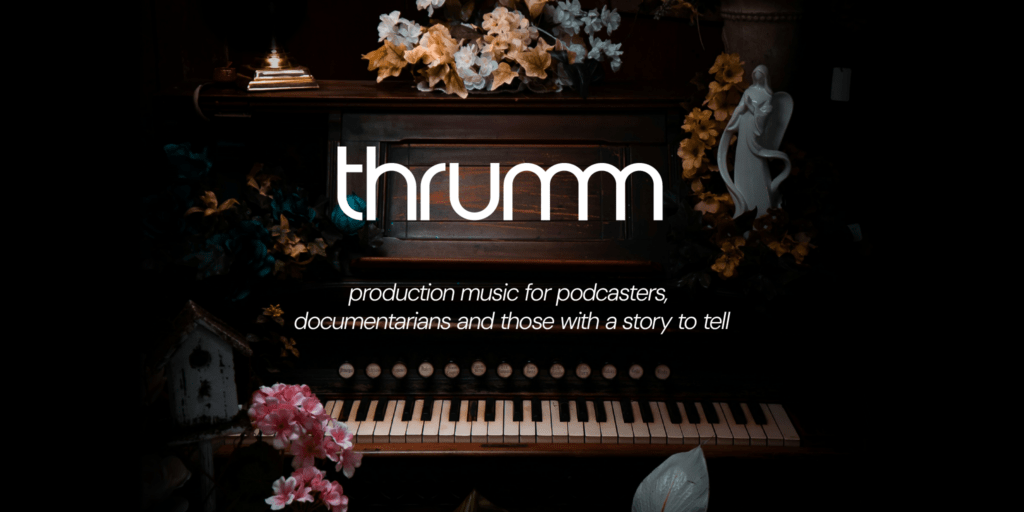
A New Approach to Narrative Podcasting: Thrumm
A groundbreaking development in podcast music is Thrumm (https://thrumm.sourceaudio.com/), a platform explicitly designed for narrative storytelling. Unlike conventional music libraries that prioritize visual media, Thrumm tailors its music selection to the nuances of spoken-word storytelling. This innovative approach ensures that compositions are crafted to enhance, rather than overshadow, the narrative, making it an invaluable resource for podcasters focused on immersive storytelling. Thrumm’s library is built with podcast pacing in mind, offering music that evolves dynamically to match dialogue, suspense, and emotional beats. The platform’s deep understanding of podcasting as an auditory-first medium distinguishes it from traditional video-centric services, providing podcasters with more effective and expressive musical choices.

The Legal Pitfalls of Using Copyrighted Music
One of the most critical mistakes a podcaster can make is incorporating copyrighted music without proper authorization. Even brief, unlicensed use of a track can result in:
- Removal of an episode from streaming platforms
- Muting or deletion of a podcast from major distributors like Spotify and Apple Podcasts
- Legal action, fines, or retroactive licensing fees
To mitigate these risks, podcasters must ensure they have the appropriate rights to all music used in their productions. When in doubt, opting for licensed or royalty-free tracks from reputable sources is the best practice. Additionally, podcasters should familiarize themselves with the intricacies of different licensing types, including synchronization rights, mechanical licenses, and performance rights, to avoid accidental violations. Understanding the terms of use for any piece of music is essential, as different platforms and licensing agreements may have specific restrictions. Ultimately, due diligence in music licensing not only protects against legal repercussions but also upholds the integrity and professionalism of the podcasting industry.

Final Thoughts
Music in podcasting is more than just an aesthetic addition—it is a crucial component of effective storytelling. The decision to use a single buyout track, a music library selection, or a bespoke composition requires a clear understanding of both creative and legal considerations. With emerging platforms like Thrumm offering innovative solutions tailored to narrative audio, podcasters now have unprecedented access to resources that align with the unique demands of the medium. Furthermore, investing in high-quality music can enhance audience retention, elevate production value, and create a more immersive listening experience. Ensuring that music is both legally compliant and artistically cohesive is not merely a best practice but an essential aspect of producing a sustainable and professional podcast. By taking a thoughtful approach to music selection, podcasters can elevate their storytelling, strengthen their brand identity, and establish a lasting connection with their listeners.
 Lochlainn Harte
Leave a comment